 CURTAIN
scenes performed this semester
students on the floor right now
stage. One truth.
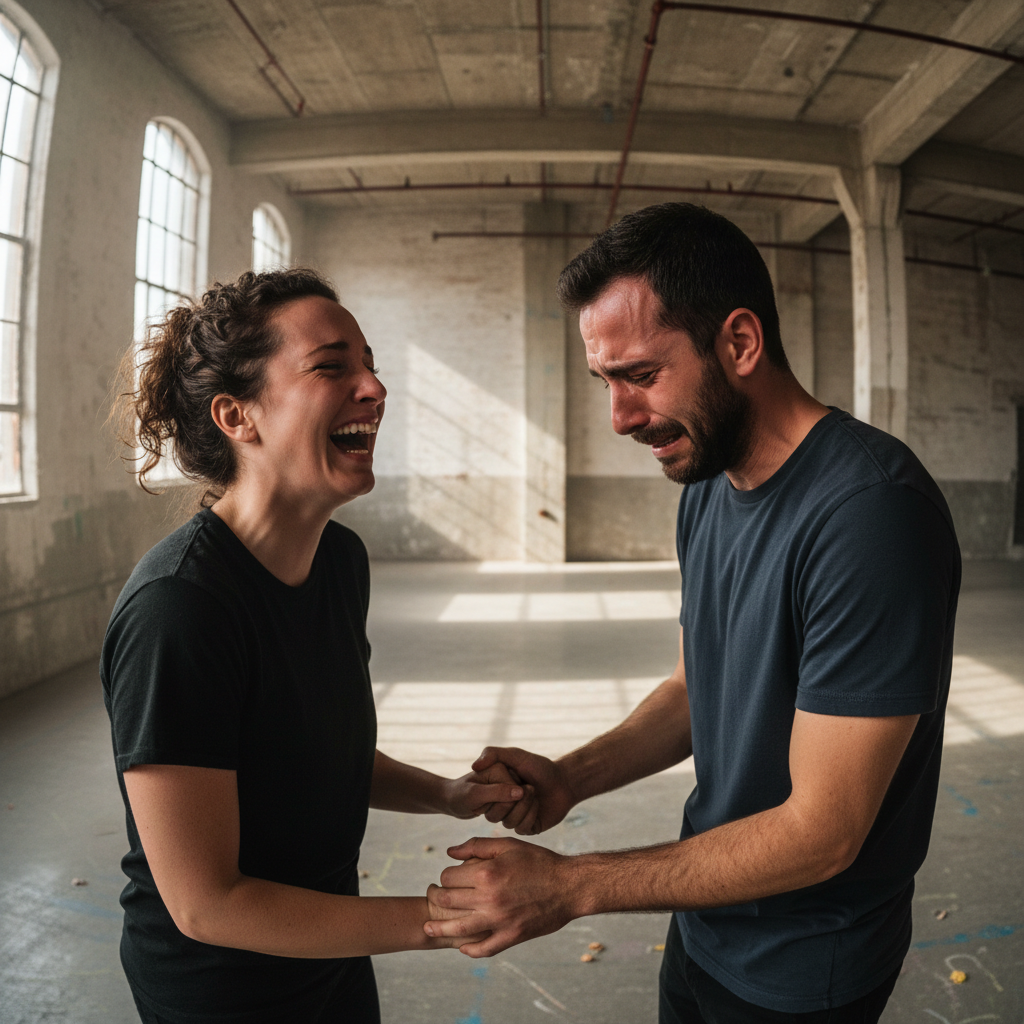
Everyone arrives carrying
something they couldn't say.
Before the work lights came on. Before the first exercise. These are the words our students used to describe themselves.
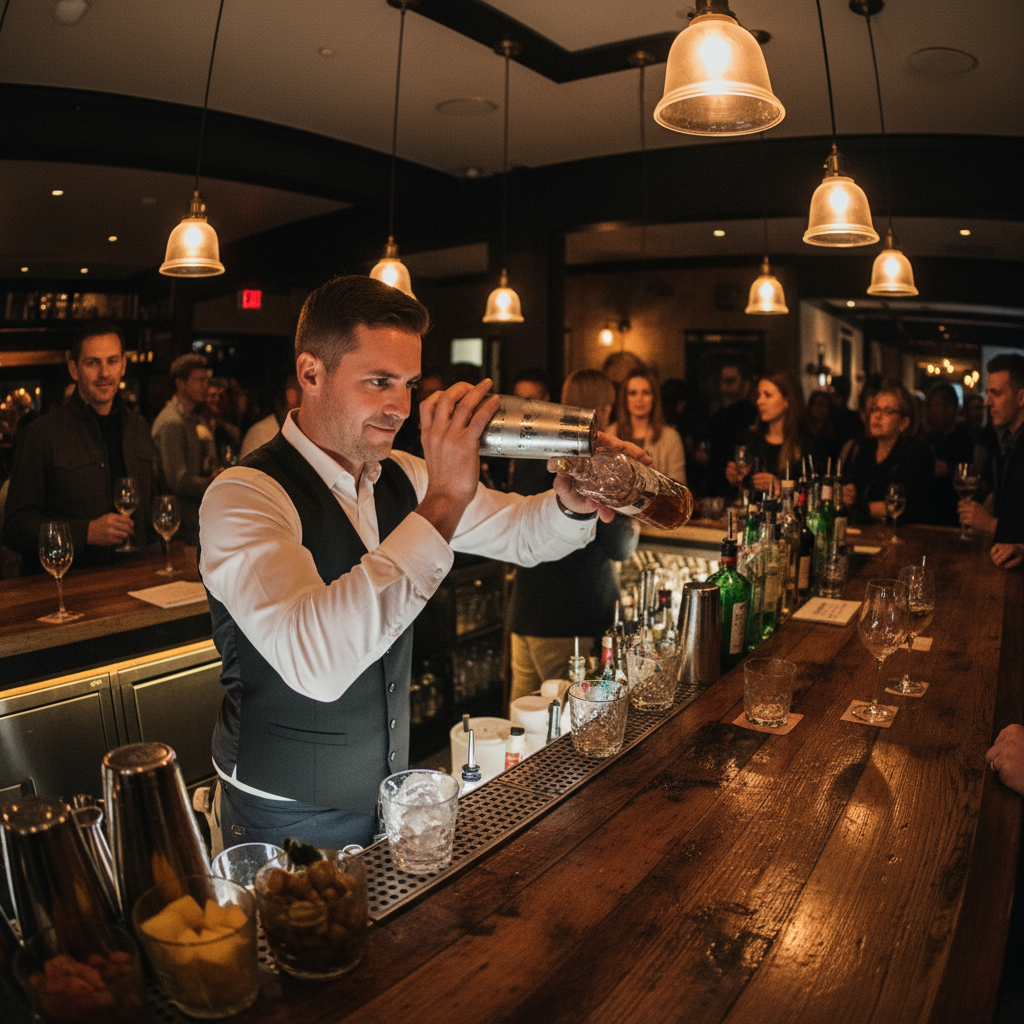
"I couldn't make eye contact in meetings. Thirty-seven years old and I still looked at my shoes when my boss spoke to me."
Darnell Okafor
Bartender, preparing for pilot season

"I'd been teaching sophomore English for eleven years. I could recite Hamlet but I'd never let anyone actually see me. Not once."
Renata Kowalski
High school English teacher

"I promised myself at fifty-five. Fifty-six came and went. Fifty-eight. I kept finding reasons why next year would be better."
Gerald Matsumoto
Retired civil engineer
Five principles.
One method.
Sanford Meisner spent thirty years refining these. We spend twelve weeks living inside them.
- 01
Repetition
Say what you observe. Not what you think. Not what you feel. What you see.
The Meisner foundation. Two actors face each other. One says what they notice about the other. The other repeats it back — slightly changed by what they actually hear. Truth emerges from the gap between intention and reception.
- 02
Living in the Moment
The text is a boat. The river is what's actually happening between you.
Most actors perform their preparation. Meisner trained actors to throw the preparation away and respond to what's real. If your partner cries, you respond to the crying — not to what the script says should happen next.
- 03
Emotional Preparation
Come in already there. Don't find it in front of them. Arrive.
Before entering a scene, the actor creates a private emotional reality. Not performed emotion — genuine inner life. The audience never sees the preparation. They only see what it produces.
- 04
The Imaginary Circumstances
What if this were real? Not "like" real. Actually real.
Stanislavski's "magic if" refined. The circumstances of the scene become as vivid and urgent as your own life. We practice this through improvisation, substitution, and extended sensory work over weeks.
- 05
Truthful Behavior
The audience forgives everything except the lie.
Technical perfection without truth is ventriloquism. We train for the involuntary — the laugh that escapes before you decide to laugh, the silence that says more than the line. This takes time. This takes trust.
Open Class runs every other Saturday. No experience required.
Reserve Your Seat at Open ClassStop. Watch this.
Two minutes. Uncut.
This is what happens in week eight. Neither of these people had ever been onstage before they walked into this building.
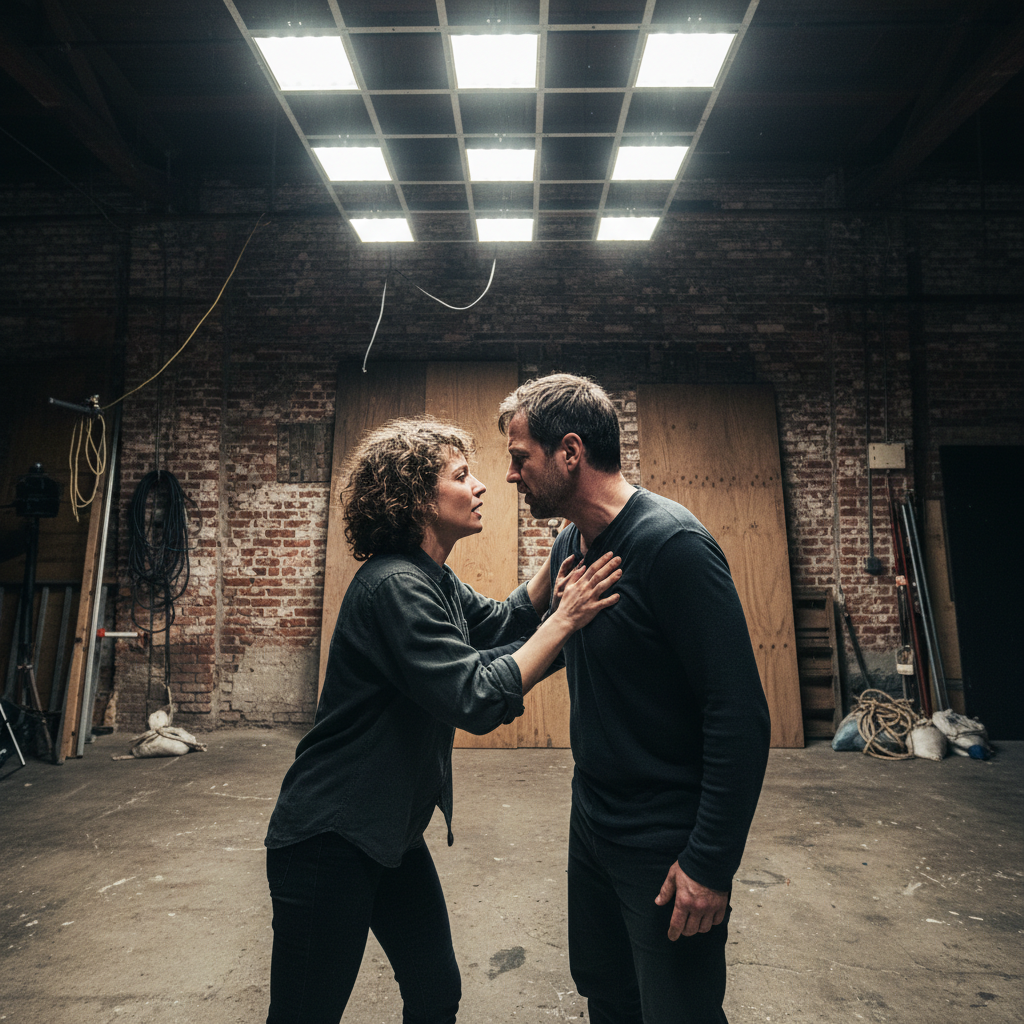
Session 14 — Jan 31, 2026
"The Argument" — Improvised scene, Week 8
0
Prior experience
8
Weeks in
The next open class has 4 seats remaining.
Saturday, March 15 · 10:00 AM · The Warehouse Studio
What they came back
to tell us.
"I couldn't hold eye contact for more than three seconds. In auditions I'd look at the floor and wonder why callbacks never came."
"Booked a co-star on a network pilot. The casting director said I was 'completely present.' I didn't know that was a thing you could learn."
Darnell Okafor
Bartender · Two semesters
"I'd been teaching for eleven years. I knew every student's name. I had no idea who I was in a room."
"I auditioned for regional Shakespeare in October. I got Gertrude. My students came opening night and they didn't recognize me."

Renata Kowalski
High School Teacher · One semester
"Fifty-eight years old. Every year I said next year. I thought I was too old and too stiff and too private for any of this."
"I performed a two-man scene at our spring showcase. My daughter was in the front row. She said she'd never seen me cry before."
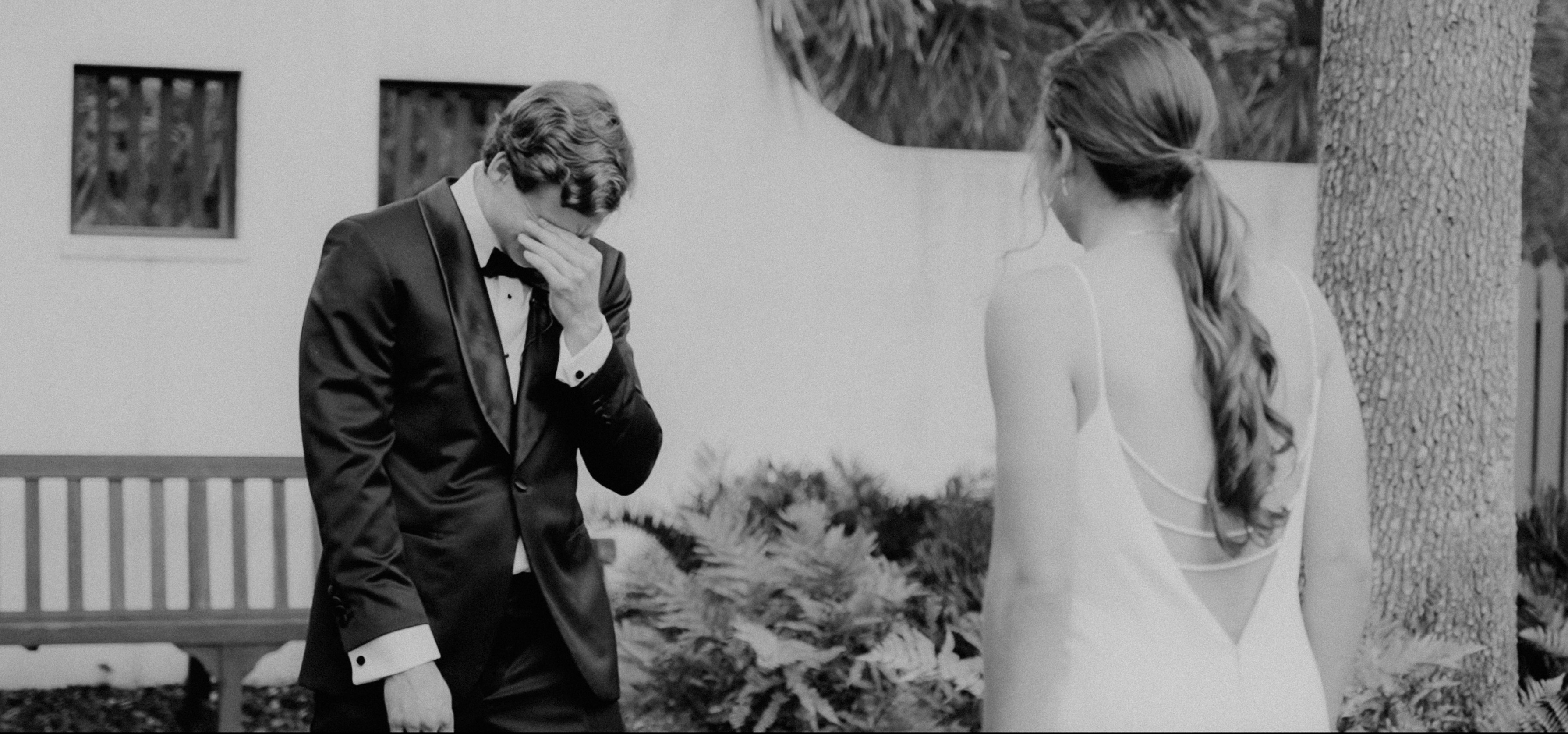
Gerald Matsumoto
Retired Civil Engineer · One semester
Reserve Your Seat at Open Class
Two hours. No experience required. Come and watch — or step into the first exercise. Either is fine.
Not ready yet? Download the Season Brochure.
Full curriculum, faculty bios, and the story of the building.